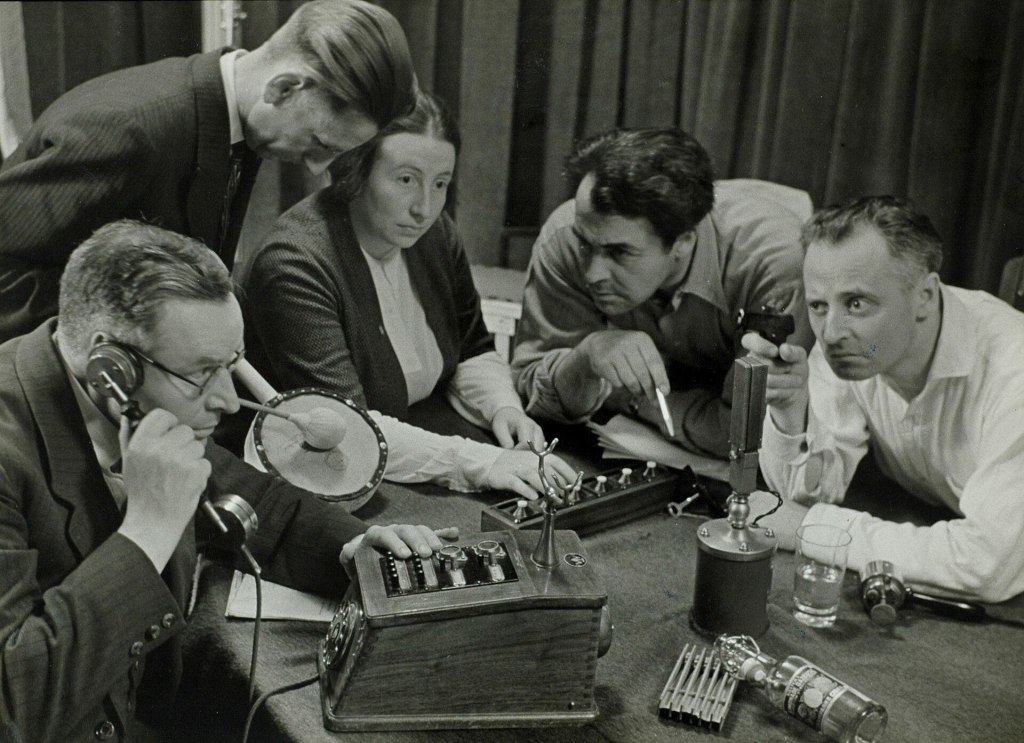
Parasociality.
The word is used so often in the social media age that most of us (certainly people using Substack, Twitter, Bluesky, Instagram, etc) don’t need a definition. But let’s use one anyway (from the Wikipedia article, Parasocial Interaction):
Parasocial interaction (PSI) refers to a kind of psychological relationship experienced by an audience in their mediated encounters with performers in mass media. PSI is described as an illusory experience, such that media audiences interact with personas (e.g., talk show hosts, celebrities, fictional characters, social media influencers) as if they are engaged in a reciprocal relationship with them. The term was coined by Donald Horton and Richard Wohl in 1956.
[…]
As the article’s opening paragraph states, the human tendency (part organic, part engineered) towards forming parasocial attachments predates the Internet by decades and was first noted as radio and television became cultural forces. People felt they knew the celebrities whose voices and images they heard and saw everyday: ‘friends’ you never met, or shared a meal with or had a conversation with.
There are problems with parasocial attachment, not least of which is the nurturing of illusions. It’s one thing for this to shape your impression of Kim Kardashian or an ‘influencer’ filmed at a resort you can’t afford, it’s quite another for parasocial attachment to determine your political ideas and understanding of the world (a quite another, and quite dangerous thing). These two types of parasocial delusion are surely linked.
Because I’m concerned with the sharpness and quality of what’s called ‘left’ thought and, forgive me, ‘discourse’, the role parasociality plays in left spaces, particularly online, is something I spend some time thinking about.
Without intending to, and sometimes, quite deliberately, ‘left’ podcasters, streamers and YouTube essayists, (often the same people), form fandoms. This produces a feedback loop between the audience and the ‘content creator’ that can inspire unthinking acceptance of what the host(s) say and the positions they take. Toss in an attractive appearance and pleasant personality and the effect is strengthened. It’s not total, of course; not everyone simply nods their head but it is an undeniable factor.
But there are ways to lessen the risk.
…
Jonas Ceika, scholar, Marxist, author of the book, How to Philosophize with a Hammer and Sickle: Nietzsche and Marx for the Twenty-First Century, and many other things besides, hosts a YouTube channel, Jonas Čeika – CCK Philosophy.
This channel, which Ceika uses to present both short and long form essays, book reviews and sharp, philosophical musings, despite having a respectable membership of over three hundred thousand, is the very model of a counter-parasocial approach to online left media.
Here is Ceika’s review of the books he read in 2025:
Consider also, as an example, this essay on the German revolution of 1918, the first in a series on the topic, a momentous event most of us know nothing about (never-mind YT’s inexplicable age restriction):
The form is crisp: visuals to aid the tale, a neutral background, the reading of a well crafted text by Ceika. There’s no attempt to be cute or clever, nothing, besides the quality of the work and the sense that Ceika is serious (but not grim) to draw you in. The ‘relationship’ is with the work itself and not an illusion of the person making the work being a friend you can have a beer with.
This continues in one of the other videos in the series:
…
It is possible, to avoid, or at least, diminish the parasocial effect. Doing so requires awareness of the danger and insistence on countering it as best one can. Although it’s true we’re all under fire and face the same enemy, we must be on guard against creating ‘amen corners’ in which our ideas are not challenged (and therefore, not sharpened) because of fandom.
 Verdigris