Rereading a text (book, essay, etc) is, I’ve found, at least as important as a first reading. Time passes and hopefully, greater knowledge, experience and that rarest of qualities, wisdom, are achieved. So it was with my recent rereading of William L. Shirer’s classic history of Nazi Germany: ‘The Rise and Fall of the Third Reich’.
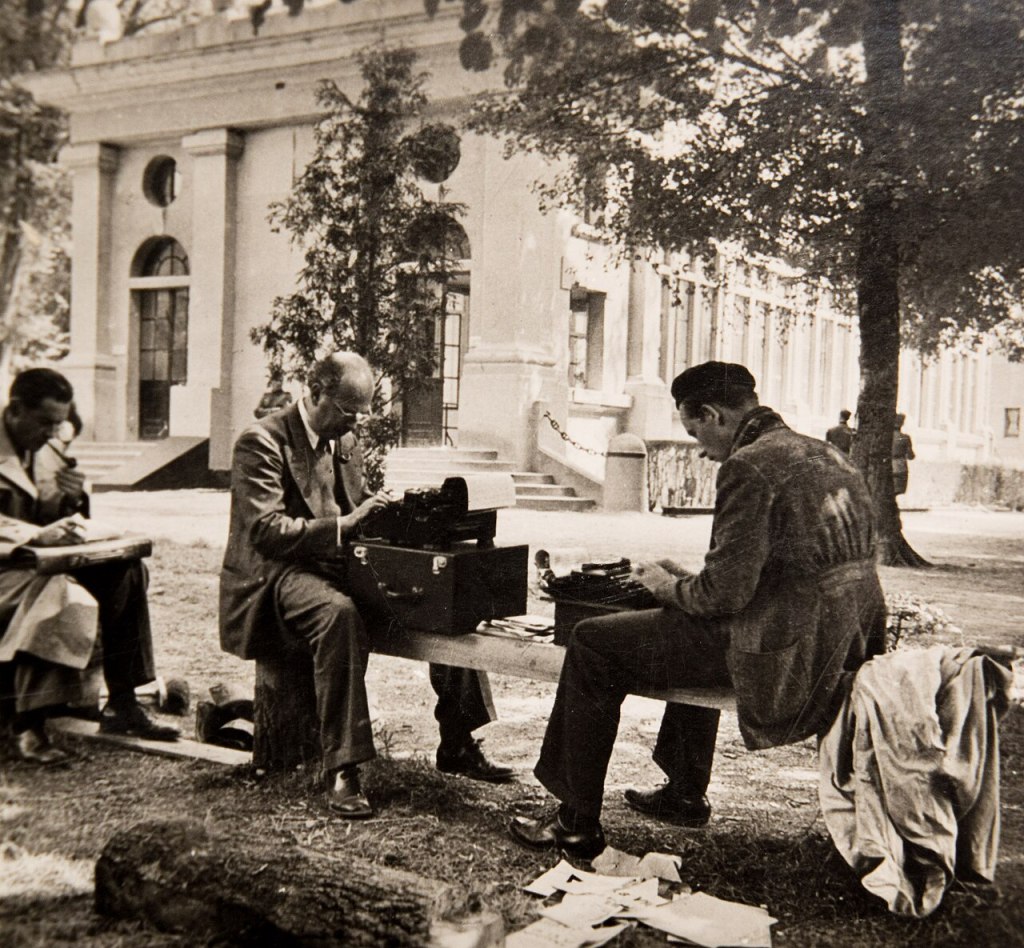
Originally published in 1960 (I read one of the reprints in the 1980s) the book is enriched by Shirer’s first-hand account, as a journalist for CBS in Germany during the 1930s, of the Nazis’ consolidation of power and expansion of state terror after Hitler became Chancellor in 1933. When I first read the book as a young man (trying to understand the mechanisms of such a monstrous state) I was taken by Shirer’s emphasis on what he described as the uniquely German aspects of Nazi fascism.
Here’s an excerpt from the book’s introduction:
“The Third Reich which was born on January 30, 1933, Hitler boasted, would endure for a thousand years…It lasted twelve years and four months, but in that flicker of time, as history goes, it caused an eruption on this earth more violent and shattering that any previously experienced, raising the German people to heights of power they had not known in more than a millennium, making them at one time the masters of Europe from the Atlantic to the Volga, from the North Cape to the Mediterranean, and then plunging them to the depths of destruction and desolation at the end of a world war…their nation had cold-bloodedly provoked and during which it instituted a reign of terror over the conquered peoples which, in its calculated butchery of human life and the human spirit, outdid all the savage oppressions of the previous ages…”
Since that first reading, when the idea there was something specifically German about the violence the Nazis unleashed seemed plausible to me, I have, well, not so much learned but been reminded that Shirer’s idea that there was, on one side of an aisle, ‘the west’ and on the other, a horrible German-ness, marshalled by the Nazis, is common, but absurd.
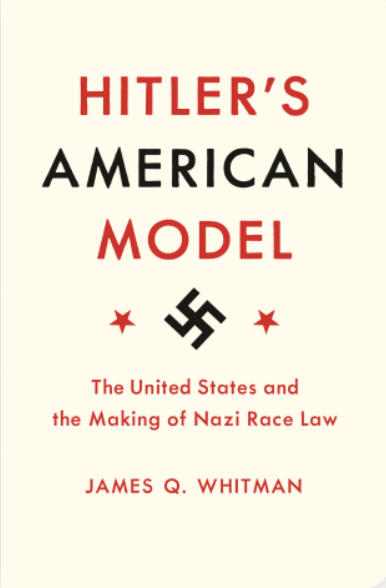
One of the lessons we should take from the still ongoing genocidal war against the Palestinians, supported by the entire western elite class (and indeed from the history of crusades, colonialism, slavery and the fact the Nazis used the US as a model) is that far from being an anomaly, the Nazis were a continuation whose one sinister innovation was to apply genocidal methods to Europe.
In chapter four, titled ‘The Mind of Hitler and the Roots of the Third Reich’ Shirer attempts to develop a thesis of sorts, using Hitler’s rambling but revealing autobiography, ‘Mein Kampf’, as a foundation.
Shrier writes:
“That [Hitler’s] view of life would strike a normal mind of the twentieth century as a grotesque hodgepodge concocted by a half-baked, uneducated neurotic goes without saying. What makes it important is that it was embraced so fanatically by so many millions of Germans and that, if it led, as it did, to their ultimate ruin it also led to the ruin of so many millions of innocent, decent human beings inside and especially outside Germany.”
…..
Rereading, I’ve found, is at least as important as a first reading.
The first time I read ‘Rise and Fall of the Third Reich’, decades ago, I thought it was a recounting of a terrible, and singular event of world historic importance, separate from my life, despite being the descendant of slaves and living on land taken from the Lenape people, who were genocided.
Now, older and burdened with a wisdom born of seeing live streamed genocide, I understand that Shirer’s main error wasn’t the lack of scholarship many complained about, but his mistaking one chapter of a long tale for the entire story.
Fascism rose, but it has not fallen… yet.